Narrative Due Diligence Risks When a Founder Story Does Not Match the S-1
Founders' public posts get read against the S-1, so claims need records.
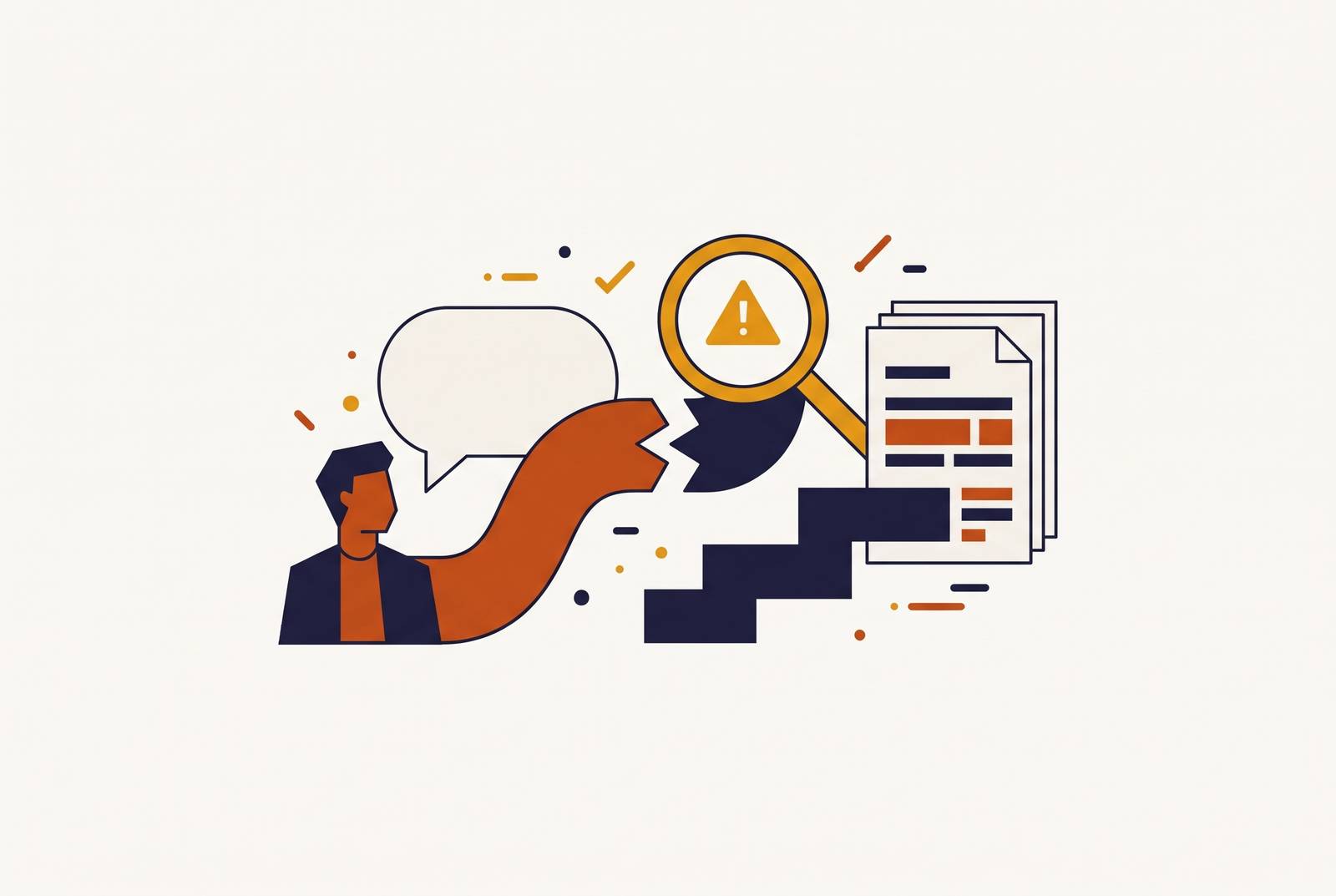
A founder’s public story and S-1 do not live in separate worlds. When diligence reads LinkedIn posts, pitch narratives, and financial disclosures together, inconsistencies can become securities disclosure risks. The best pre-IPO protection is disciplined storytelling from day one, with claims that company records can support. A good story should survive more than the comments section.
How the founder's public narrative became part of the formal IPO evidentiary record
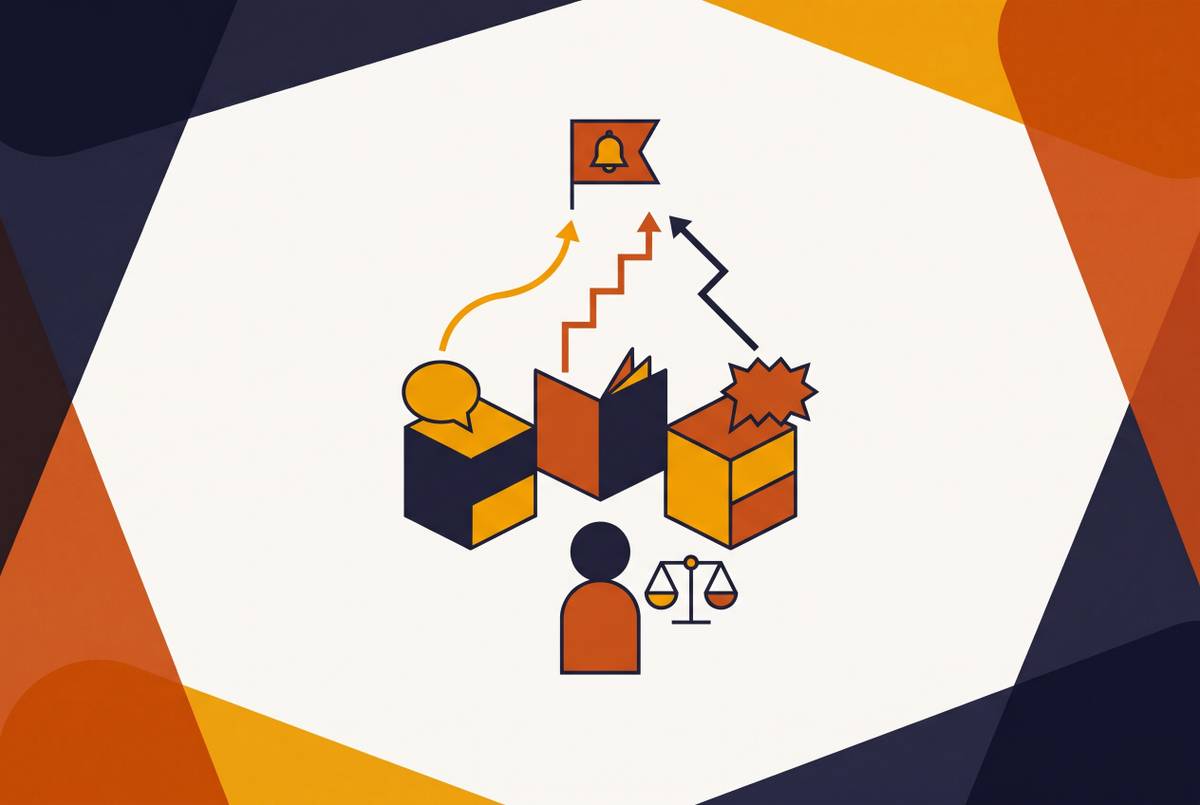
IPO diligence brings a founder’s public archive into the same examination as the company’s formal disclosures. Investors, underwriters, and the SEC can read public claims against the S-1 rather than treating them as separate marketing artifacts. A post about growth sets an expectation about the business, and the disclosure process asks whether the records support it. LinkedIn may feel informal, but informality is not an accounting policy.
The process centers on defending a single disclosure document under Section 11 liability. Underwriter diligence, legal diligence, and the comfort letter process have different producers and duties, but their work supports the same S-1. A founder’s public claims provide context for what the company now says about its performance, customers, and prospects. A discrepancy therefore needs an explanation.
Management diligence sessions are where that comparison becomes formal. Bankers and counsel interview the CEO, CFO, and key executives to check whether the evidence supports the business story. Customer reference calls provide another point of comparison. Bankers speak directly with top customers about retention, satisfaction, and growth expectations, so a founder’s description of those relationships can meet an independent account. This does not mean every post becomes an enforcement exhibit, but the archive is available for scrutiny.
What the S-1 disclosure process actually demands from a founder's story
Documentary diligence requires board minutes, material contracts, customer concentration data, audited financials, historical KPI files, and capital structure documentation. A growth narrative has to fit the financials, while a description of customer strength has to fit the contracts and concentration data. Language that worked as fundraising shorthand may leave questions the filing cannot leave unanswered.
EquipmentShare.com Inc’s S-1, filed December 9, 2025, names Jabbok Schlacks as Co-Founder and CEO and shows how precise an operating company has to be. The filing describes a dual-class structure, an elevated vote count per share for Class B held by co-founders, and a controlled-company designation. Those details define control in concrete terms. Public statements about decision-making authority would need to be consistent with that structure. The filing illustrates disclosure requirements without providing evidence of a problem with EquipmentShare’s storytelling.
CoreWeave disclosed single-customer concentration at a majority of its revenue, while Circle quantified the revenue impact of an interest-rate move. Such disclosures put numbers around vulnerabilities that a growth story may not foreground. Reconciliation also happens more than once. The bring-down memo supporting the underwriters’ Section 11 due diligence defense is reissued at every S-1 amendment, again at pricing, and again at closing. A conflict involving revenue, customer counts, capabilities, or credentials cannot be assumed to disappear because a more precise document has arrived.
The specific categories of founder narrative that create disclosure gaps
Credentials are especially easy to check because a person either has the qualification they claim or does not. The SEC’s October 2025 complaint against Shiloh Luckey, founder and CEO of ComplYant App Inc., alleged that she told investors she was a licensed CPA and presented herself that way in social media tax advice videos, although she was never licensed as a CPA in California or any state. The complaint identified alleged misrepresentations across pitch decks, financial statements and projections, investor updates, board presentations, an accelerator presentation, and an investment memorandum. The claim did not stay in one channel. What a founder later tells investors can rest on a credential they have claimed in public.
The SEC complaint in the case identified as “Accelify” alleged that financial statements dramatically overstated revenue, including revenue not earned and revenue from a round-trip transaction with no economic substance. Product capability and customer relationship claims pose a related problem when the stated achievement exceeds what the company can substantiate. Specific asset and ownership claims in fundraising materials also become part of the record used to understand an investor’s decision.
The SEC’s case against Crudden of Transparent Equity alleged false claims about personal trading success and fund outperformance of the S&P 500, appearing in brochures, newsletters, the website, and social media accounts. A marketing format does not make a performance claim personal opinion. II S-1 examples. These examples illustrate formal documentation without indicating wrongdoing, and non-reliance language should not be mistaken for permission to make false statements elsewhere.
Why longer private company lifecycles make the narrative gap worse over time
Time gives an unchecked claim more places to settle. Private companies face fewer checks than public ones, so shorthand from an early fundraising pitch can live on without anyone testing it against public-market disclosure requirements. Later decks, investor updates, and media appearances may build on the same premise. Repetition makes the story familiar while leaving its accuracy untested. By the time an S-1 demands precision, the company may need to reconcile years of statements.
Concentrated founder control can make that pattern harder to interrupt. When fewer people challenge the founder’s account, there is less internal friction to expose a mismatch early. A confident story can circulate without the corrective pressure that shared oversight might provide. Each additional year creates more opportunities for an imprecise claim to become accepted background.
A fast IPO timetable compresses the time available to reconcile the accumulated public narrative with the disclosure record. Posts and pitch materials produced over years can become relevant to the same diligence process at once, even though they were written for different audiences and moments. The archive has had years to grow. The filing team does not necessarily have years to explain it. Narrative discipline becomes harder to retrofit precisely when the need for it becomes most acute.
How ghostwritten and AI-assisted content introduces a specific category of narrative risk
Content production introduces another source of discrepancy when someone other than the founder supplies the supposed facts. A ghostwriter or AI tool can invent a customer anecdote, embellish traction, or imply expertise the founder does not have. When those appear under the founder’s name, they become claims of fact. An anecdote beginning with “Last year, a customer told me…” is not harmless decoration if the conversation never happened. A sentence that reads well can still be fiction in a business suit.
The executive supplies the ideas, experiences, and opinions, while the writer or AI shapes the delivery. The founder reviews and approves every word published under their name. Every number, customer story, credential claim, and event must be real and independently verifiable. Approval is therefore more than a tone check, because a post can sound exactly like the founder while describing something that never occurred.
A disciplined content partnership makes this review part of production. The founder supplies facts that have been checked, errors in drafts can still be fixed, and nothing goes live until it is approved. That makes good ghostwriting a protection. Outsourcing the writing does not outsource the exposure attached to an inaccurate claim.
The EU AI Act’s transparency obligations under provision 50, effective August 2, 2026, help frame the question but do not settle it for every founder post. Founders publishing in the EU should consult counsel on whether their AI-assisted content falls in scope. That question is distinct from factual accuracy. Whatever the applicable transparency requirements, the underlying claim still needs to be true.
What "building in public" creates as a diligence trail and why it is both asset and liability
Building in public produces a time-stamped, searchable archive of the company’s progress. Investors and underwriters can compare that archive, claim by claim, with the S-1’s figures. An investor who followed a founder for two or three years does not arrive at the roadshow without expectations. The introduction has already happened, in installments. If the financials tell a materially different story, the roadshow becomes a reconciliation.
The same archive can be a useful asset. Accurate milestones and grounded customer stories let readers follow the business as it develops, rather than encountering a growth narrative assembled just before an offering. The claims need to have been true when published and remain consistent with the later disclosure record. A searchable history rewards accuracy just as efficiently as it exposes contradiction.
For founders who build in public, the practical framework is to distinguish present facts from future ambition. Describing where the company hopes to go is different from claiming it has already arrived, although forward-looking statements have their own disclosure conventions. Revenue milestones shared before audit confirmation and imprecise customer counts deserve particular care. So do capabilities announced before they exist, team narratives that overstate depth, and background claims that cannot be confirmed.
A founder can describe ambition without presenting it as booked revenue or a working product. Each claim needs to make clear what has happened and what is still a goal. It requires making sure that the records support even the most memorable sentence.
What consistent, accurate storytelling from day one actually protects against
Keeping the company’s story consistent from the start saves it from having to fix its public image while preparing its formal disclosure. When the growth story and financial records agree, management diligence sessions can confirm the account. The repeated bring-down process becomes verification. That is a practical advantage for a team already facing a demanding filing process. It also gives underwriters and investors fewer reasons to ask whether other claims need to be fixed.
The practice starts with metrics that are audit-ready. A number should exist in a system of record. Public content should also make clear which claims describe facts that have been checked and which are forward-looking statements, so a forecast does not pass for a current fact. A founder can be ambitious without making the reader guess which achievements have actually happened.
Those who review content should treat each performance post as something that could become an exhibit. The test is not only whether it is compelling, but whether it is true, specific, and consistent with what investors have been told. Credential checks belong in that same process. Professional designations, board roles, and institutional affiliations should be verified before appearing in a bio or post and be confirmable on demand.
The resulting archive is more than a collection of safe posts. It is a coherent account that can support confidence during diligence and give roadshow investors a story they can corroborate. Consistency means keeping each statement faithful to what was known and supported at the time as the business changes. The opportunity is to build the kind of trust that holds up when the company faces its most rigorous scrutiny.