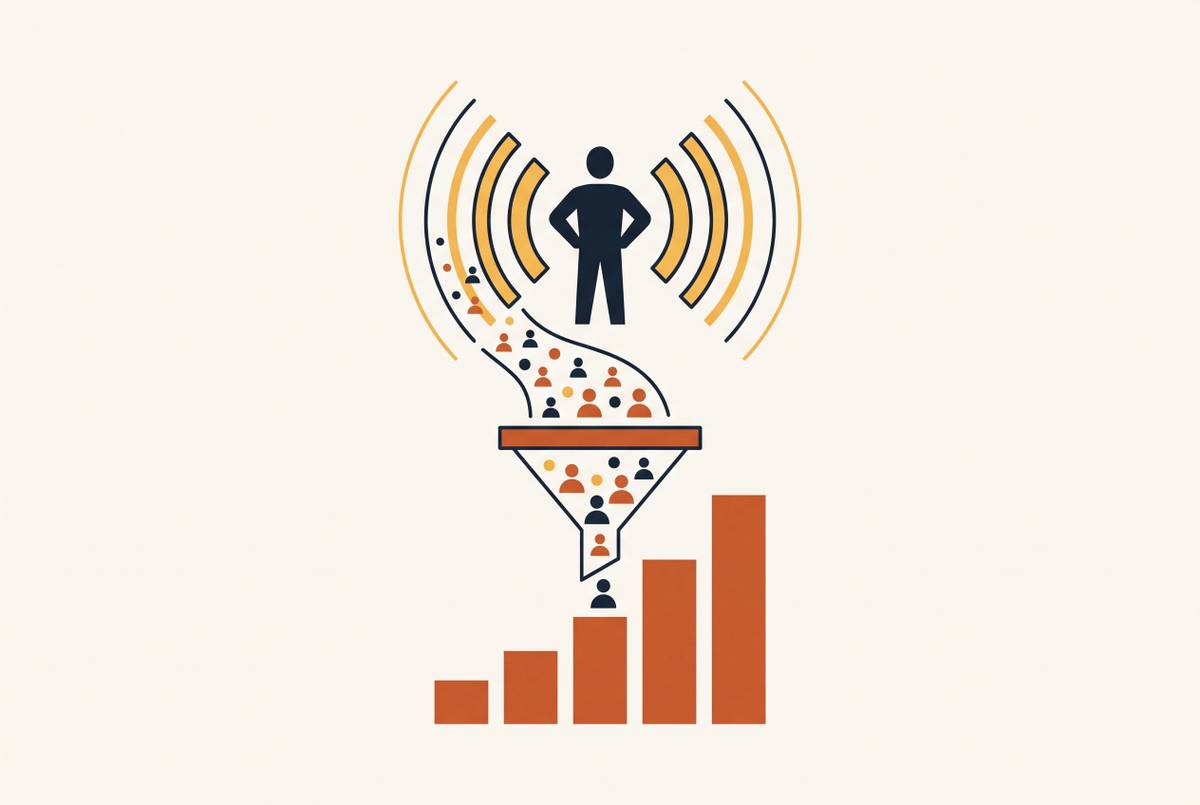
Content Cadence for Recruiting Engineers on LinkedIn
Build trust with passive engineers through consistent, authentic technical content.
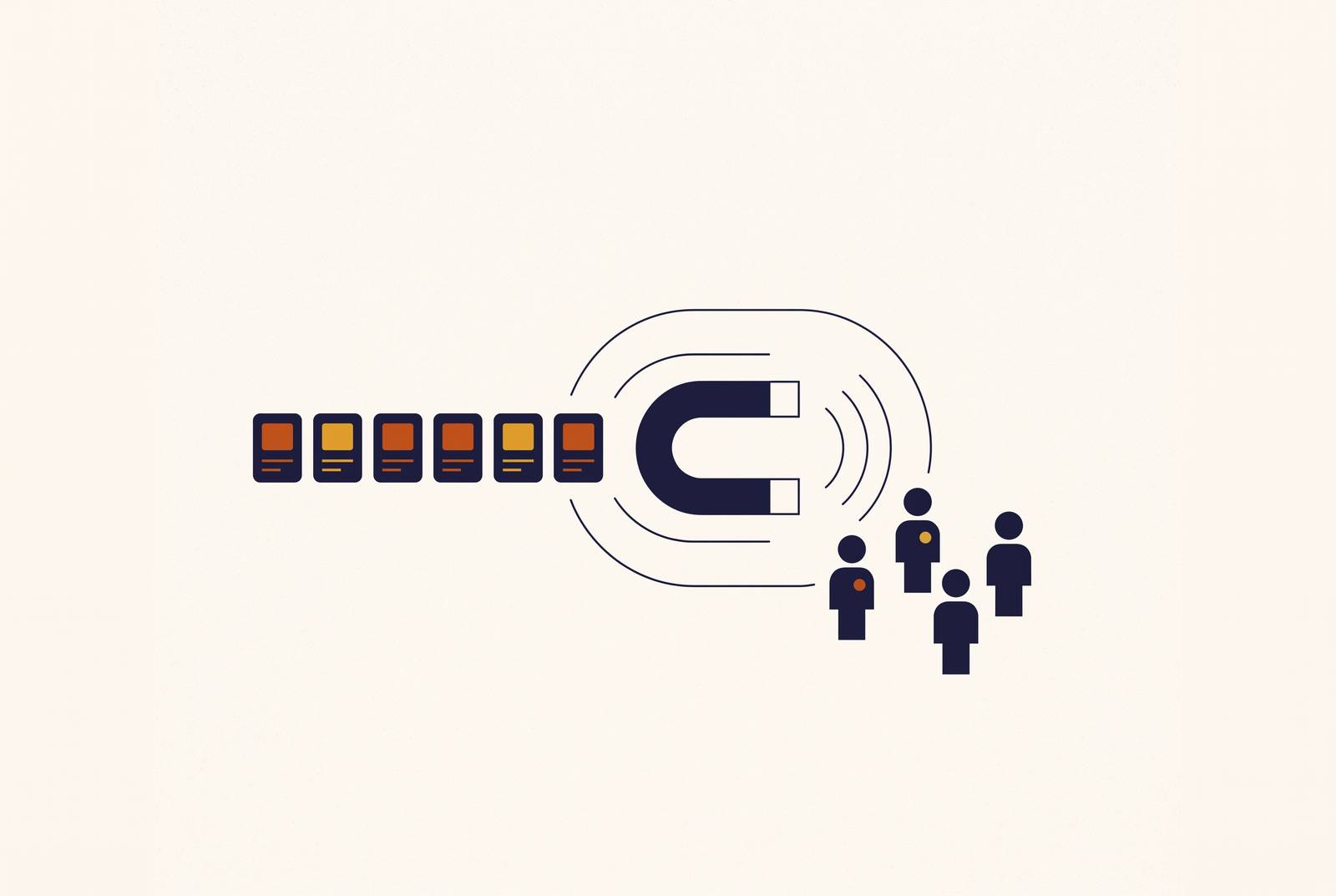
Most recruiting posts on LinkedIn are built for people who are actively hunting for a job. The best engineers almost never are. That gap is the whole reason a cadence strategy exists, and it's worth understanding before touching a single posting schedule.
Why standard recruiting posts fail to reach passive engineers
Roughly 70% of the global workforce falls into the passive category: employed, reasonably content, and only willing to move for something genuinely better. They aren't scrolling job boards. They aren't searching "senior backend engineer" on a Tuesday night. A post built around a job title, a bullet list of requirements, and "DM me if interested" speaks directly to the smallest slice of available talent, the slice already looking, while ignoring the much larger group that would need a real reason to pay attention.
Engineers specifically have gotten good at spotting the template. Strong candidates field a steady stream of recruiter messages every week, and the pattern recognition kicks in fast: generic opener, copy-pasted requirements, no sign anyone looked at their actual work. That kind of outreach reads as institutional rather than human, and engineers tend to dismiss institutional noise faster than most audiences do.
Before an engineer responds to anything, they check out the people behind the company. Not the job description. The humans. They want to know who they'd sit next to in a stand-up, who'd review their pull requests, whether the technical leadership sounds like it knows what it's talking about. That means the content ecosystem surrounding a founder or CTO carries more weight than the posting itself. Fix the posting without fixing that ecosystem, and the fix accomplishes nothing. The constraint was never how many posts go out. The constraint is whether the right kinds of content show up often enough, in the right order, to earn trust before anyone makes an ask.
Scoring engineering content in the 2026 LinkedIn algorithm
LinkedIn's 2026 ranking system rewards content that holds attention and produces real engagement, and that lines up closely with what makes engineers trust a post. Dwell time, how long someone actually looks at and reads a post before scrolling past, is near the top of the ranking signals. A post that earns a slow, attentive read beats one that earns a fast thumbs-up, every time.
Saves and substantive comments carry outsized weight. A save on a post pulls in roughly five times the reach of a like, and about twice that of a comment. A comment that runs 15 words or more signals something a one-word "congrats!" never does: that the reader actually processed the content and had a reaction worth typing out. A post that collects a handful of comments like that will outperform one that racks up hundreds of empty reactions.
LinkedIn made the authenticity requirement explicit. The platform confirmed in May 2026 that AI tools can help someone write a post, but the post still has to reflect that person's actual voice and perspective. It's a ranking input, not a style preference the platform is nudging people toward. Generic, voiceless content gets penalized by the same system that rewards dwell time. The two requirements, depth and authenticity, point in the same direction.
For engineering recruiting, that convergence matters. The algorithm is structured to reward what engineers respond to: specific, experience-backed, technically grounded writing. The broadcast-style, low-specificity content most recruiting teams churn out works against both the algorithm and the audience at the same time. Building a cadence around depth is the version of the strategy the platform's own scoring system is already favoring.
The CTO or tech lead's personal profile as the recruiting surface engineers trust
Engineers evaluate the people running the engineering org before they evaluate the role itself. That puts the CTO or tech lead's personal profile at the center of the recruiting effort, ahead of the company page and well ahead of the job post.
A company page can be polished by a marketing team in an afternoon. A CTO's personal feed, built post by post over months, is much harder to fake. Candidates are looking for proof that real, capable engineers chose this company on purpose, and a strong technical leadership bench thinking out loud about real problems sends that signal in a way no About section can. It tells a candidate the company is stable, that the work is credible, and that smart people have already bet their careers on it.
A compounding effect builds as a CTO who posts about actual technical decisions, actual tradeoffs, actual mistakes, builds a kind of reputation that attracts more of the same. Each post that earns genuine respect from the engineering community makes the next hire slightly easier, because the next candidate arrives already half-convinced.
The practical consequence: the posting cadence belongs on the founder or CTO's personal profile, with the company page in a supporting role. The personal profile is where depth and dwell-time-earning content can actually live.
None of this requires the CTO to sit down and write every post alone. A practitioner ghostwriting model, built around people who have grown their own audiences and understand what makes a post earn a real read, works by pulling the actual stories, decisions, and opinions out of the technical leader through regular conversations, then shaping that material into posts that sound like them. The founder reviews and signs off before anything goes live. The voice stays theirs. The time commitment doesn't.
The three content types that move passive engineers through a trust funnel
Recruiting passive engineers takes three distinct kinds of posts, and each one does a job the others can't. Mix up the ratio and the funnel stalls.
Technical thought leadership builds credibility. These are posts where the CTO or tech lead walks through a real engineering decision, a tough tradeoff, a framework they rely on, or an honest read on where the market is headed. The content signals domain depth, the kind that's hard to fake and easy to spot when it's missing. An engineer who reads three of these posts has already formed an opinion about the intellectual environment inside the company, long before any job posting shows up in their feed. When that posting does appear, it lands differently, because the groundwork is already done.
Behind-the-scenes employer brand content shows candidates what the workplace is actually like day to day. These are the stories about an engineer who shipped something they're proud of, a new hire's first week on the job, a team decision that didn't go as planned and what everyone learned from it. This category works because it's hard to fabricate convincingly. Candidates trust a story from an actual employee or leader more than they trust a career page, and for good reason. The job this content does is simple: it answers the question every passive candidate is already quietly asking, which is what it would actually feel like to work there, before they ever have to ask it out loud.
Opportunity framing converts interest into action. It's a post describing what an engineer would actually build, what problem they'd own, what the first 90 days would look like, and who they'd be working next to. The framing describes impact instead of listing filters: "you will write Python that serves 10 million users daily" carries the same information as "5+ years of Python experience required," but one describes a life and the other describes a checklist. This post type only works on an audience that already has context. Posted on its own, it reads like every other recruiter pitch on the platform. Posted after a passive engineer has already seen several credibility and reality posts, it reads like an invitation from someone they respect.
A practical weekly cadence built around how engineers scroll
A sustainable cadence runs on three posts a week: one credibility post, one reality post, one conversion post, rotated through the week in that order. That's enough to keep a technical founder visible without drowning the feed in volume that would dilute the depth the algorithm and the audience both reward.
The logic follows from how people actually use the platform. Passive engineers check LinkedIn in short, irregular bursts, maybe two or three times a week, not as a daily ritual. A cadence needs enough frequency that a casual user still recognizes the CTO's name and face, but enough space between posts that each one is worth the time it takes to read. Three posts a week threads that needle without asking a busy technical leader to become a full-time content creator.
A Monday credibility post takes advantage of the attention that tends to be highest early in the week. A Wednesday post, often built around a team story or a short video, does the humanizing work mid-week, since video tends to earn stronger engagement than text alone on this kind of content. A Friday opportunity post catches engineers in a more reflective mood heading into the weekend, landing in a context that the earlier two posts have already primed.
The compounding effect becomes visible after four to six weeks. A passive engineer might catch the Monday credibility post one week, miss everything for a stretch, then catch a Wednesday team post two weeks later, then run into a Friday opportunity post sometime after that. By the time all three have registered, that engineer has moved through the entire trust funnel without receiving a single cold message.
Staying anchored to three to five recurring themes keeps the whole thing from drifting into randomness. For a technical founder, those themes might be engineering-first go-to-market thinking, system design tradeoffs, a point of view on technical hiring, or a philosophy around shipping speed. Returning readers start to recognize the themes, which makes the content compound instead of resetting with every post. A ghostwriting partnership earns its keep here: someone extracting these stories through regular conversations with the founder can keep the themes consistent week over week in a way that's hard to sustain solo, especially once hiring, fundraising, and actual engineering work start competing for the same hours.
Measuring whether the cadence is working for recruiting
The metrics worth tracking for engineering recruiting are not the metrics most people default to when they check how a LinkedIn post performed. Founders who watch the wrong numbers will often conclude the cadence has failed right around the point it starts working.
Impressions and follower counts are weak proxies here. A post can rack up a large reach number and still generate zero interest from anyone worth hiring. The signals that actually indicate the right engineers are paying attention look different. Substantive comments from practicing engineers, the kind that respond to the actual technical content rather than offering a generic "great post," show a reader engaged with the substance. Saves on thought leadership and framework posts matter too, since a save means someone found the content worth coming back to, which functions as both an algorithmic signal and a behavioral one. Inbound connection requests from engineers, arriving without any cold outreach prompting them, mark the point where the cadence has flipped from push to pull. And when outreach follows the cadence rather than replacing it, warm response rates climb meaningfully higher than cold InMail produces on its own.
The cadence is the pipeline itself, running continuously, so that by the time a role actually opens, the right engineers already know who's doing the work and have already decided whether it sounds interesting.